Osteopathy is a regulated profession in the UK, giving you the same safeguards as when you visit a doctor or a dentist
In 1993 the Osteopaths Act saw osteopathy become the first major complementary health care profession to be accorded statutory recognition in the UK. Practitioners must be registered with the General Osteopathic Council’s Register of Osteopaths, meaning they’ve undertaken years of rigorous training and can demonstrate high standards of safety, competency and practice. Every osteopath must hold medical indemnity insurance to be allowed to practice.
Osteopathy and its different types
Osteopathy is a system of diagnosis, treatment and management, and it aims to relieve pain from structural and mechanical problems in the body without using drugs or surgery. As an osteopath I work closely with you, trying to work out what’s causing your pain or impaired health, helping you towards a speedy recovery and preventing further problems. Osteopathic treatment is designed to restore your body’s optimum functioning, stimulating your intrinsic ability to heal. There are two main types of osteopathy; structural osteopathy, and cranial osteopathy.
Structural osteopathy
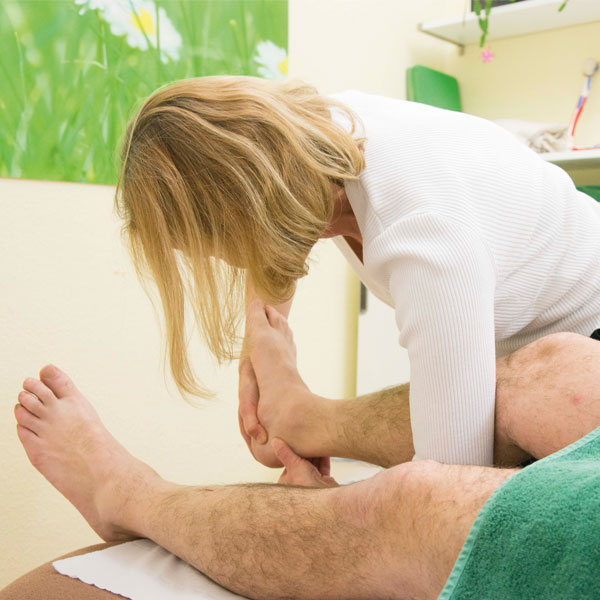
Osteopathy is based on the idea that your wellbeing depends on your bones, muscles, ligaments and connective tissue working together smoothly. Structural osteopathy aims to increase the mobility of your joints, relieve tension in your muscles, enhance the blood supply to your tissues and help your body to heal. I use combinations of different techniques, including some you might have heard of before, like deep soft tissue massage, joint articulation, muscle energy technique, stretching, functional movement, myofascial release and others.
If you agree, I might also use manipulative techniques to adjust your joints. I know this doesn’t appeal to everyone and it’s not compulsory. Before any manipulations I’ll discuss them with you so you can decide if you want to try them.
Cranial osteopathy: suitable for babies, children and adults
Cranial osteopathy is a gentle, safe, and non-invasive approach, and that’s why we often use it when we treat babies and children.
As an osteopath, I have completed specific postgraduate training in the treatment of babies and children, but please note that patients under the age of 16 must be accompanied by a relative or guardian over the age of 18 at every appointment.
Adults can also benefit from this calm and effective treatment that can be used to treat a wide range of problems across the whole body. Despite the name ‘cranial osteopathy’ it isn’t just used to treat your head!
“Laura is wonderful with babies and children. She is very calm and tender and obviously takes great pleasure in treating them.”
Melanie, 2012
Pregnancy and postnatal treatment
Osteopathy can help alleviate back and joint pain which happen with the changes to your body during pregnancy. I use safe, gentle techniques to take some of the strain out of pregnancy. I have completed specific postgraduate training in the treatment of pregnant women.